Subscribe via your favourite podcast platform: Spotify | Apple Podcasts | Google Podcasts | Anchor | Breaker | Pocket Casts | RadioPublic
In this week’s episode:
- Authentic communication beats polished marketing – Transparency across every touchpoint- website, consult room, socials – creates trust, reduces friction, and prevents “nasty surprises” that erode client relationships.
- Your “one-liner” matters more than your logo – Practices often overcomplicate their differentiation. Matt argues that clinics need a single clear message that draws people in – supported by excellent service behind the scenes.
- AI will supercharge personalisation, not replace connection – From smarter reminders to more intuitive websites, the biggest AI wins will come from enhancing client experience, not chasing shiny tech for its own sake.
This week we deep dive with Matt Madden into how veterinary practices can grow with clarity, attract the right clients, and build trust through ethical marketing, psychology-led communication, and smart use of technology.
Additional Guest Spotlights
- Recommend Resource: This episode we hear from Hamzah Malik. Hamzah’s recommended business resource is Rewind (rewind.ai) – a powerful tool that quietly records everything on your screen so you can literally “scroll back in time” to recover lost work, revisit Zoom calls, and auto-generate meeting summaries, task lists, and draft emails without lifting a finger.
- Next Episode Sneak Peak: Next time on the Modern Veterinary Practice Podcast, I’m joined by Ben Sweeney, founder of Vidivet, live from the London Vet Show for a powerful conversation – “But What About the People?” – where we unpack tech burnout, hyper-personalisation, and how veterinary teams can bring the human element back to the centre of care while using digital tools in a more balanced, empathetic and truly supportive way.
Show Notes
- Out every other week on your favourite podcast platform.
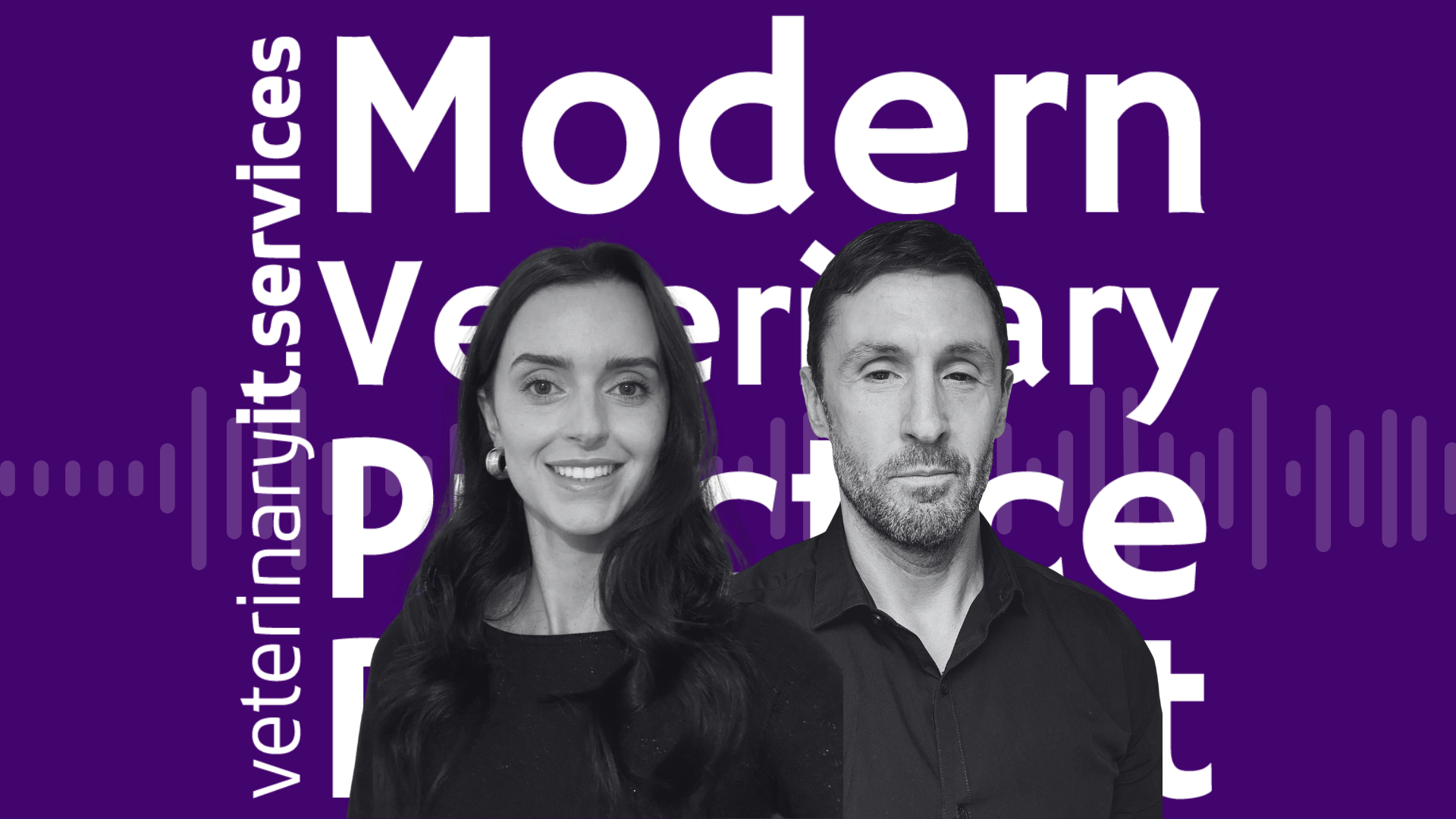
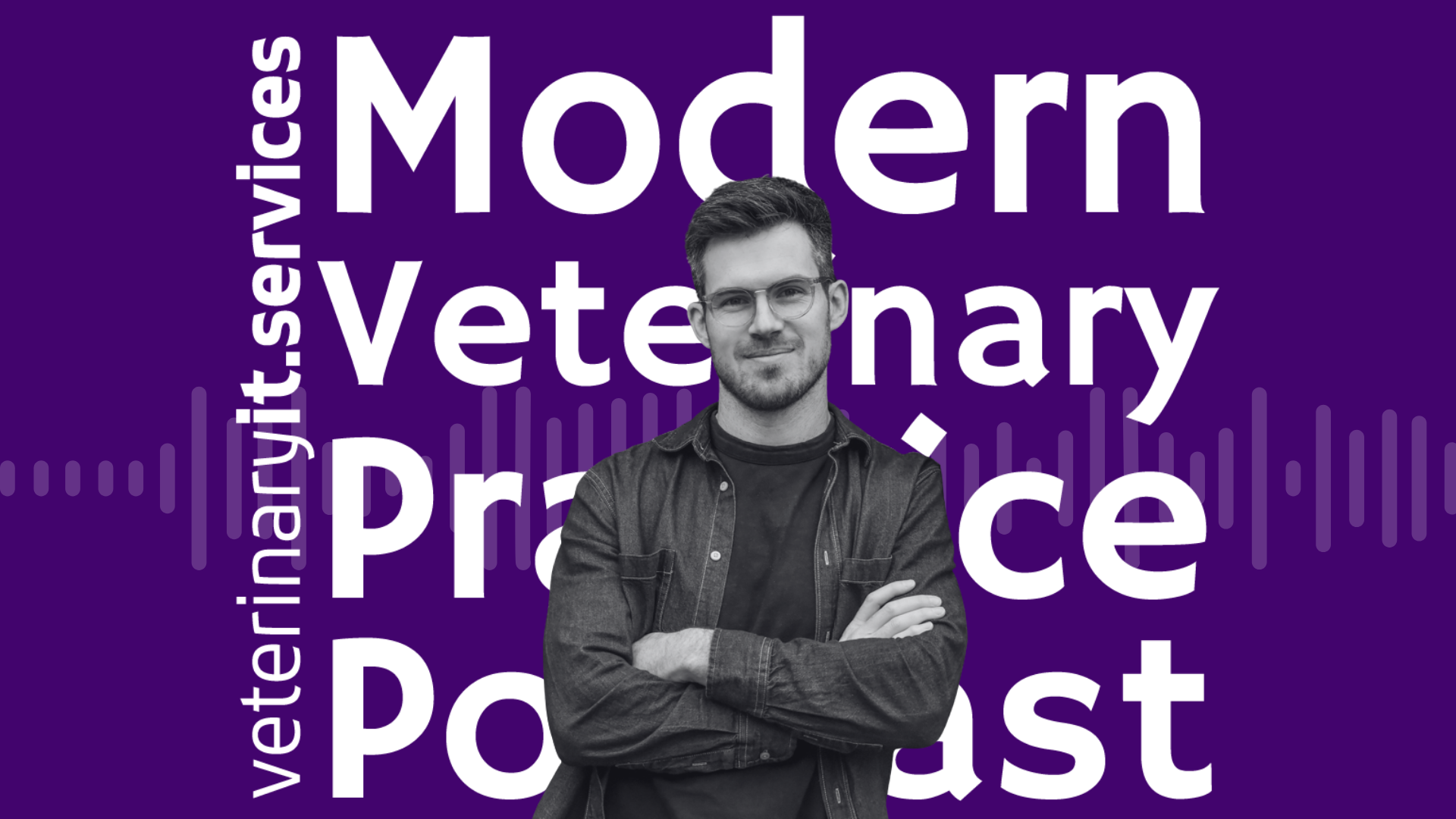
- Presented by Jack Peploe: Veterinary IT Expert, Certified Ethical Hacker, CEO of Veterinary IT Services and dog Dad to the adorable Puffin.
- Matt is the Director of Heedly, focused on helping vet clinics get the right type of clients through their door, providing services in strategy, website building, branding, paid media and content creation.
- After working for over a decade in marketing for brands like L’Oreal and Virgin, Matt set up his own business creating content for brands like Amazon, Lloyds and DfT.
- Four years ago, he was introduced to the veterinary world via a friend reaching out to create a website for his new vet clinic.
- After some discussion Matt began to support with all elements of marketing of the clinic and continues to do so today. That clinic has grown from 3 staff to over 20, opened a second site and won two vet start up of the year awards for VetHelpDirect.
Transcription
Jack Peploe:
Coming up on Modern Veterinary Practice Podcast,
Matt Madden:
Something that’s incredibly powerful that’s often overlooked is the ability to say no to certain clients. I think there’s an interesting dynamic within the vet space, which is it is an obligation to help animals that need veterinary care, and I totally understand that. I do think, however, as we all know, it’s a for-profit industry, and with that, there is the opportunity to make sure that you are working with people that also really care about the wellness and health of their own pets. And when you have that sort of collaborative relationship with animal wellbeing and healthcare, it makes the ecosystem and community that you are building much more effective and powerful, and actually, hopefully that can grow into a much bigger network. So I think when you start to scale that up beyond sort of an independent, and actually when multiple people start thinking that way, then hopefully we get a slight culture shift towards a more collaborative approach with healthcare.
Jack Peploe:
Welcome to the Modern Veterinary Practice Podcast. I’m your host and veterinary IT expert, Jack Pep. In this episode, I’ll be welcoming Matt Madden, director at Hedley and marketing strategist with a background spanning L’Oreal Virgin and independent veterinary practices. To the podcast, we’ll be talking about how modern clinics can attract the right clients, not just more clients through smarter marketing, storytelling and technology, and why authentic communication is the real driver of growth and team wellbeing.
Matt Madden:
Good morning, Jack. My name is Matt Madden. I am director at Hedley. So my background in marketing is a little diverse actually. So I started my career at L’Oreal where I was on their graduate scheme and started working with them on early e-commerce and digital marketing campaigns. From there, I then moved out to Spain and worked in a digital marketing startup where we helped smaller, more startup based clients. I then came back to London and worked in a big agency working on a 200 million pound account doing their design and build like website. And I was managing a team of about 13. And slowly but surely I found my way into the vet world with heley. So initially started with somebody reaching out to me during COVID, same setting up a vet clinic and needed help with marketing. And it’s over the last four years, just grown into helping a number of clinics now with all walks of marketing. So although it’s mainly me as the point of contact, there’s a whole team sort of behind me that help with lots of different areas and specialist skills that I pulled together as and when the teams that work with need them.
Jack Peploe:
Amazing. Well, Matt,
Matt Madden:
It’s really great to have you on the Modern Veterinary Practice Podcast. How are you today? I’m very well. I’m very well indeed. Thank you. Yeah, the weather’s beautiful, so it makes life much easier.
Jack Peploe:
It does make it so much easier. Well, look, you’ve had quite a journey, as you said, from marketing giants like I think L’Oreal and Virgin, to building your own creative agency and now carving out a space within veterinary medicine. Now, what I found fascinating is that you haven’t just bought big brand polish into the vet space. You’ve helped practices grow by rethinking how they communicate, who they speak to and why that matters. So today I wanted to explore how practices can move beyond just trying to get more clients and instead focus on getting the right ones, telling better stories and aligning their marketing with their values. So you talk about helping clinics attract to the right clients, not just obviously finding more, but what does that mean in practical terms and why is it such a game changer for growth in team wellbeing?
Matt Madden:
Yeah, I think something that’s incredibly powerful that’s often overlooked is the ability to say no to certain clients. I think there’s an interesting dynamic within the vet space, which is it is an obligation to help animals that need veterinary care, and I totally understand that. I do think, however, as we all know, it’s a for-profit industry, and with that, there is the opportunity to make sure that you are working with people that also really care about the wellness and health of their own pets. And when you have that sort of collaborative relationship with animal wellbeing and healthcare, it makes the ecosystem and community that you are building much more effective and powerful, and actually, hopefully that can grow into a much bigger network. So I think when you start to scale that up beyond an independent, and actually when multiple people start thinking that way, then hopefully we get a slight culture shift towards a more collaborative approach with healthcare.
Jack Peploe:
No, absolutely. Now, you’ve worked in high stakes brand environments where messaging is really finely tuned in vet medicine. How do you strike the balance between effective marketing and ethical communication, especially when dealing with emotionally charged decisions?
Matt Madden:
Yeah, it’s a really good question. I think the key thing is to be as transparent and clear as you can and really think things through from the customer’s perspective. So whenever we’re doing really anything with vet clinics, what we’re looking to do is first understand what the vet clinic wants to achieve, and then almost playing devil’s advocate and looking at the things through the customer’s perspective. There should already be huge amounts of synergy there with, as I say, picking who the customer is that you want to work with at the first place. And that comes around customer profiling. But I think the key thing is to just be as transparent and communicate as effectively because actually when you are transparent about what you do and what you offer and you communicate that effectively, and that can be across lots of different touch points. It could be across social media, newsletters, your website, even what you’re doing in the consultation, if you are working on how you are communicating that and trying to be succinct and effective with that at every touch point, it means there shouldn’t really be any nasty surprises coming down the line with the end user, your client.
And it means any conversations that you have, there’s already trust built up through being transparent, but it also means that you shouldn’t be saying anything too surprising to the client because you’ve been upfront from the off and you’ve tried to show them the key bits of information at the right time along their user journey. Yeah,
Jack Peploe:
Well, I mean a lot of that clinics struggle to explain what makes them different. What’s the root of that challenge and how can practises find a more authentic voice?
Matt Madden:
I think the key thing with saying what’s unique about you as a clinic is keeping it simple. The ability to say something within essentially a one-liner I think is actually really what people are looking for. I think the one-liner will allow you to draw potential clients in, and that could be potentially a service that you offer that other people don’t. In the space, it could be the way that you go about your care and the level of tailored care. It could be the fact that you specialise in certain animals that other people don’t. Lots of different ways to be unique. I think we’re also busy, and this is coming at it from a customer’s perspective. We’re also busy now that people want to qualify themselves in or out of. Yes, that thing appeals to me or no, it doesn’t. Then I think although there’s the one-liner underneath that, there’s going to be lots of different things that actually make you unique, how you function, how efficient you are at the back end of things and the things that the client never sees, and that’ll all have positive reinforcement with that qualified client.
So as I say, there is the one-liner, but underneath that, there’s a whole stack of things that make you unique, but you can’t unload all of that to the client straight away. You want to just say, here’s the one thing we do really well, and then once they’ve had that experience, it’s reinforcing that one thing that you’ve said that you’re going to do really well, and then you gain loyalty off the back of that. So yeah, I would say it’s around just making sure you’re just emphasising one thing really, but then making sure of the back of that your experience is going to be really good for the client and that you are having the level of quality of touch points that you want that client to have, and maybe that you’re at the lower end of that price point or that spectrum, and that’s fine, but then you can’t necessarily promise the world with that that you have up at the top. Yeah.
Jack Peploe:
Cool. So am I right in thinking that you helped take clinic scale from three to 20 plus staff with a smart marketing foundation, what role did the website play in that journey and what did most practises get wrong when it comes to theirs?
Matt Madden:
Yeah, so that was the first clinic we worked with ho of Vets, and the website was pretty fundamental actually. So we’ve also just opened a second site with them as well, which is really exciting. The website there is essentially almost like the linchpin for attracting different clients, and actually we have a KPI dashboard that we have so we can see exactly what role the website plays in the marketing mix. We see that between search and people recommending the clinic, those are the two biggest drivers and they’re going to need a touchpoint, a digital touchpoint for reaching out to the clinic. So what we’re trying to do then with the website is actually we wanted to be really precise with what is the purpose of the website, and we felt the purpose of the website was to do two things, enable people to book easily and provide people with information to make sure they can be an informed pet owner.
So those are the two key performance indicators that we look at when we’re reviewing that website on an ongoing basis, we’re seeing that about 10% of all people that go onto the site are going to the contact page or the booking page, and a lot of the other use cases will be information search within our site around it could be prices of what we’re doing and people just checking, but also checking what’s wrong with my animal and what I need to do, whether I need to contact the clinic or whether actually I can sort it out at home. So we really try to focus on effective triaging, but it all stemmed from what do we want the website to do.
Jack Peploe:
Nice. Now there’s pressure, and I get this to constantly do lots of content, whether that’s blogs, reels, ads, but is all content created equal? And what should clinics be thinking about when deciding what’s worth their time?
Matt Madden:
That is a very good question. Yeah, I mean, all vet clinics are really busy and the time premium is incredibly important and you are right because also certain content can take so much longer to prepare than other content. So for example, I know when I have conversations around creating social media content that can almost feel like a full-time job for certain rooms of the vet team. And equally creating monthly newsletters or even quarterly newsletters can be incredibly time consuming. I think whatever you do choose to do, and I think it depends on what the clinic wants to achieve because I don’t think there’s a one size fits all necessarily, but I think whatever the clinic does want to achieve, do it and do it well, but don’t focus on trying to do everything. So if you want to really nail your social media content, that’s fine.
Maybe things like newsletters, take a backseat or maybe advice on your website takes a slight backseat, but make sure you give social media a proper chance and allocate the time and resource to it and train your team up in how to make better content. There’s loads of fantastic resources out there, but give people the skills to be able to do that thing well. And yes, we can come in and supplement that, but actually I think it, it’s really important for people to understand why they’re doing what they’re doing and to have the skill to know how to do that effectively. If I was pushed to give one answer, which I feel like is what you’re alluding to is what content should my clinic create? Of course social media is an incredibly effective tool. I would say video content is really powerful. It portrays trust a huge amount of trust, and equally gives people a much better insight into the clinic than they ever would have otherwise.
I mean, it literally is the ability to have a camera behind the scenes in a clinic, which a few years ago just never would’ve dreamt of. So I do think that’s an incredibly powerful tool. I think from a search perspective, newsletters are still incredibly powerful. And sorry, I’m linking blogs and newsletters together because I think they piggyback off of each other. I think between those two, they’re both very powerful. I appreciate doing both of them might actually be really hard for a certain clinic of a certain size, but both serve their purposes in slightly different ways.
Jack Peploe:
Absolutely, and I suppose it’s also about being consistent. A hundred Percent, yeah.
Matt Madden:
If you are saying we’re going to do a monthly newsletter and blog, do a monthly newsletter and blog, no exceptions, no ifs, buts, maybes, it’s got to be done. And equally, if you are going to do social media posts, do three social media posts a week. Again, no excuses.
Jack Peploe:
No, absolutely. Now you’re all fascinated by psychology. How does that show up in your marketing approach, especially in a field as emotionally complex as veterinary medicine?
Matt Madden:
I think psychology plays a huge role in how people behave with you and the technology that you’ve put out. So taking a website as an example, if you can get into the mindset of what the person who’s using your platform wants to achieve and wants to do on your website, it will be a better tool. So really it is trying to, I guess, eek into the mindset of the person you are trying to serve essentially. So a key thing that I’ll look to do whenever we launch a website is we’ll often kind of soft launch it or launch it before it goes live. And actually what I want the owners of the clinic to do is share that with friends, family, and potentially close clients and for them to critique it because it’s all well and good me saying I know everything, and yes, there’s certain important guidelines and things that I’ve learned along the way, but actually there will already be a way that people interact with the clinic and I want to build on top of that.
So I literally will be asking, what’s wrong with the website? Tell me in this journey if they have an emergency, are we providing them with exactly the information they want? And you only get that by talking to people. If you’re not talking to people and getting critique on the platforms that you’re working on, you’re never really going to improve that thing and make sure it really works for them. So while the baseline is a really good user experience used from years of experience of building websites and working on platforms, you still want to be getting feedback and making sure it’s specific to your clinic’s audience. So yeah, I think that’s where psychology comes into. It’s actually having the conversation with people, and yes, there’s kind of universal guiding principles, but those need to be tweaked for your audience.
Jack Peploe:
Absolutely. Now let’s move away from the human element and let’s talk about a topic that I love ai. Now it’s obviously transforming everything at war speed, especially marketing. How do you see AI reshaping how vet clinics communicate and operate over the next few years? That is a monster
Matt Madden:
That is a monster question, Jack.
So yeah, I mean, AI is a crazy space, and I think it would be, I would love to sit here and say, I know everything that’s going to come down the pipeline, but the thing is there’s so much being developed in the space that it’ll be almost interesting to see where the dust settles in a few years time. Some of the really interesting things that we’re seeing with ai, yes, the automation and a lot of things, and I think we’ve talked a lot about websites. What we’re seeing on websites is AI being able to navigate through websites and actually use the website on the behalf of people. So then when you’re then looking at website design, you almost have to then start thinking about how the AI might be using that and make sure it’s really intuitive for the AI to use. So there’s things like that to think about.
I also think there’s going to be a huge amount of opportunity with automation around communications. So there’s a lot around reminders of appointments at the minute there is taking that a step further, you can make that incredibly personalised and incredibly unique and tailored to each individual client with ai. And that’s amazing. That opportunity is I think fantastic and it’ll make the owner feel much more connected to you as a clinic. And we’re going to move away from this sort of template into real personalization and tailored care, which when you’re dealing with an animal, you are so, as you’ve said, emotionally involved in that. And if a vet clinic is giving you that personal service, then you are going to want to stay with that vet clinic. Yeah, you’re going to feel love from that vet clinic. I think the key thing is to make sure though that personalization translates over to the human experience in all the touch points.
So yeah, there’s so much going on in the AI space. I think one thing that we want to do is focus on what are the majority of people using now? Because yeah, they’re short that there’s going to be early adopters to the space, and that’s great to be looking ahead and thinking about where the space is going to go. It’s also important not to get overwhelmed by everything that’s being developed and actually think, well look, if we can automate these one or two things, that’s going to make a big difference. So for example, reminders, as I’ve talked about before, the actual conversion rate for reminders and sort of preemptive reminders is really high. So if you can nail reminders, and that might be through your PMM s system, it might be through other softwares and things you have in place, that’s a fantastic one to focus on. So looking at what’s really going to make the difference rather than getting excited by this technology that can do content generation and things. So yeah, focusing on the areas that will really make a difference, I think is the key part of using AI intelligently.
Jack Peploe:
Absolutely. No, I couldn’t agree more. I mean, I think sometimes it’s about reverting back to the basics and like you say, not getting excited about the buzzwords, but Matt, it’s been a really interesting look at veterinary marketing beyond the buzzwords and into something more strategic in human. For anyone listening who wants to think differently about how they approach their growth, where’s the best place to
Matt Madden:
Find you? Sure. So the best thing to do is check out our website, which is Heedly, Heedly.co or they can just drop me a direct email. I’m going to try this one again. So the best thing to do if they want to check out more about what we do as a company is check out our website, which is Heedly.co. Or they can feel free to drop me an email directly, which is Matt@heedly.co and I will answer every question that I get.
Jack Peploe:
Amazing. Matt, thank you so much for coming on the podcast. Really, really appreciate it. Thanks, Jack. Appreciate it.
Jack Peploe:
Every week we ask professionals and experts to suggest a best business resource for our listeners. This week’s recommendation is from Hamzah Malik. One that I use
Hamzah Malik:
A lot is rewind. Rewind is excellent. It’s being rebranded dependent. Now, I think, what is it? I think it’s for now, it’s called rewind.ai. Essentially, it’s a tool that basically records everything on your screen silently, but then if you want to, for example, go back to something, for example, here’s how I used it a couple of weeks ago. There was an ad on Facebook that someone accidentally deleted. So rather than try to recreate, I went and rewind. You can scrub a back in time and it’ll show you the complete timeline on your computer. You can go to that specific, it was a Zoom call as well, so you can jump back into that Zoom call. Obviously not in real time, but you can be in the browser and then you can navigate to where that tab was when you were creating the ad, and I just copy and pasted it and bought it back again, taking base, do you rip things out of the past and bring them forward. And it does also meeting summaries as well. So after every meeting it’ll say, here’s your to-do list. I’ve made an email for everyone else. Do you want me to send it?
Because it’s constantly observing and it can recognise voices and stuff. So it’s quite cool.
Jack Peploe:
Coming up next time, we welcome Ben Sweeney, founder of Vidivet in a special episode recorded live at the London Vet Show. In this powerful conversation titled, but what about the people? Ben and I explore what happens when technology and veterinary practice goes too far and how to bring the human element back to the centre. We discussed tech burnout, hyper-personalization, and how innovation can enhance connection rather than replace it. Ben shares honest insights from his decade in veterinary technology, calling for greater collaboration, accountability, and empathy in how we design and deploy digital tools, tune in for a live unfiltered discussion about balanced wellbeing and the real purpose of technology in veterinary care.
Ben Sweeney:
I think ultimately we are a people business and you can dress veterinary power however you want, but there’s people at every angle of what we’re talking about and the interpersonal elements of it. But it’s great that we’ve moved away from being a completely paper driven profession, but that transition to being almost driven totally into that tech thing has really advanced at a rated knot in the last 10 years, and you’re sort of speaking to practices now and they’re like, look, we’ve changed PMS and that’s level one. And then we’ve introduced this tool and we’ve introduced that tool, and actually we thought it would do this, but actually it hasn’t done that. Now sometimes there’s a secondary benefit where it’s not done this, but it’s done this. That’s positive, but invariably the practices are going well. It’s not quite doing what we thought it was going to do, and I think people have now been using these things for long enough to have that lived experience go actual’s delivering, or it’s not delivering, or it’s adding burden here. Or I think we forget that not many of our teams are technologists, that we are tech enabled, but not necessarily tech enthusiasts. And we’re looking at it going, we’re asking non-techy people to be dependent and reliant on techie tools.
Jack Peploe:
That’s it for this episode. All links and recommendations we talked about are in the show notes. Don’t forget to subscribe and share the podcast if you found it useful. In the meantime, thanks for listening and see you next time.